01 · Bespoke Assessment
Free photo review
Submit three photographs. Dr. Arslan reviews every case personally within 24 hours and tells you plainly whether surgery is the right next step.
Surgeon-led hair restoration clinic in Levent, Istanbul since 2005.
Explore all →Send 3–5 photographs. Personal response within 24 hours — no intermediaries.
Request Now →Selected for your specific hair loss pattern and aesthetic goals.
FUE vs DHI →FUE, DHI or Algorithmic FUE™ — Dr. Arslan recommends based on your photographs and Norwood stage.
Get Assessment → Try Graft Calculator →FUE Europe member. Ministry of Health accredited clinic. Levent, Istanbul — 60–80% less than UK or US.
View Package →FUE Europe member. Ministry of Health accredited. 17+ years. 3,000+ personal procedures. One patient per day.
Full Profile →One patient a day, every package surgeon-led. Every result personally accountable.
Read Philosophy →No hidden costs. Hotel, transfers, surgery and aftercare in one price.
View Pricing →Silver · Gold · VIP — 5-star hotel · Airport transfers · PRP included
View Pricing → Graft Calculator →Every case personally overseen by Dr. Arslan Musbeh, from consultation to results.
Full Gallery →Not every case needs a transplant. Medical treatments, therapies and specialist options.
Overview →Guides, tools and expert content — written by Dr. Arslan Musbeh.
All Articles →Female pattern hair loss presents as diffuse thinning across the crown and midpart, not the defined bald zones seen in men — and requires a different surgical approach, tailored to donor characteristics and the Ludwig scale.
The Process
From your first photographs to a full result at 12 months, with Dr. Arslan Musbeh involved at every stage.
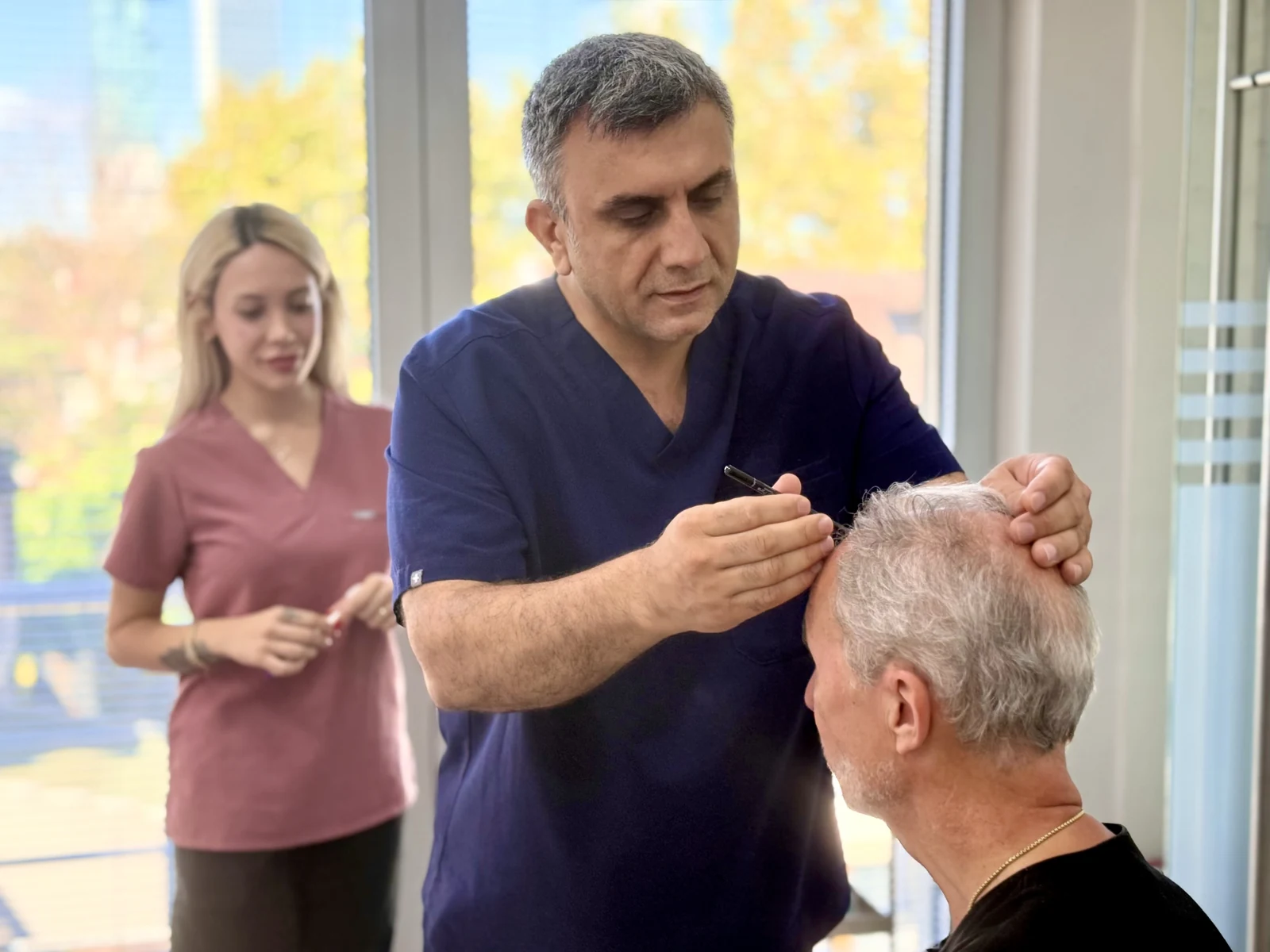
01 · Bespoke Assessment
Submit three photographs. Dr. Arslan reviews every case personally within 24 hours and tells you plainly whether surgery is the right next step.
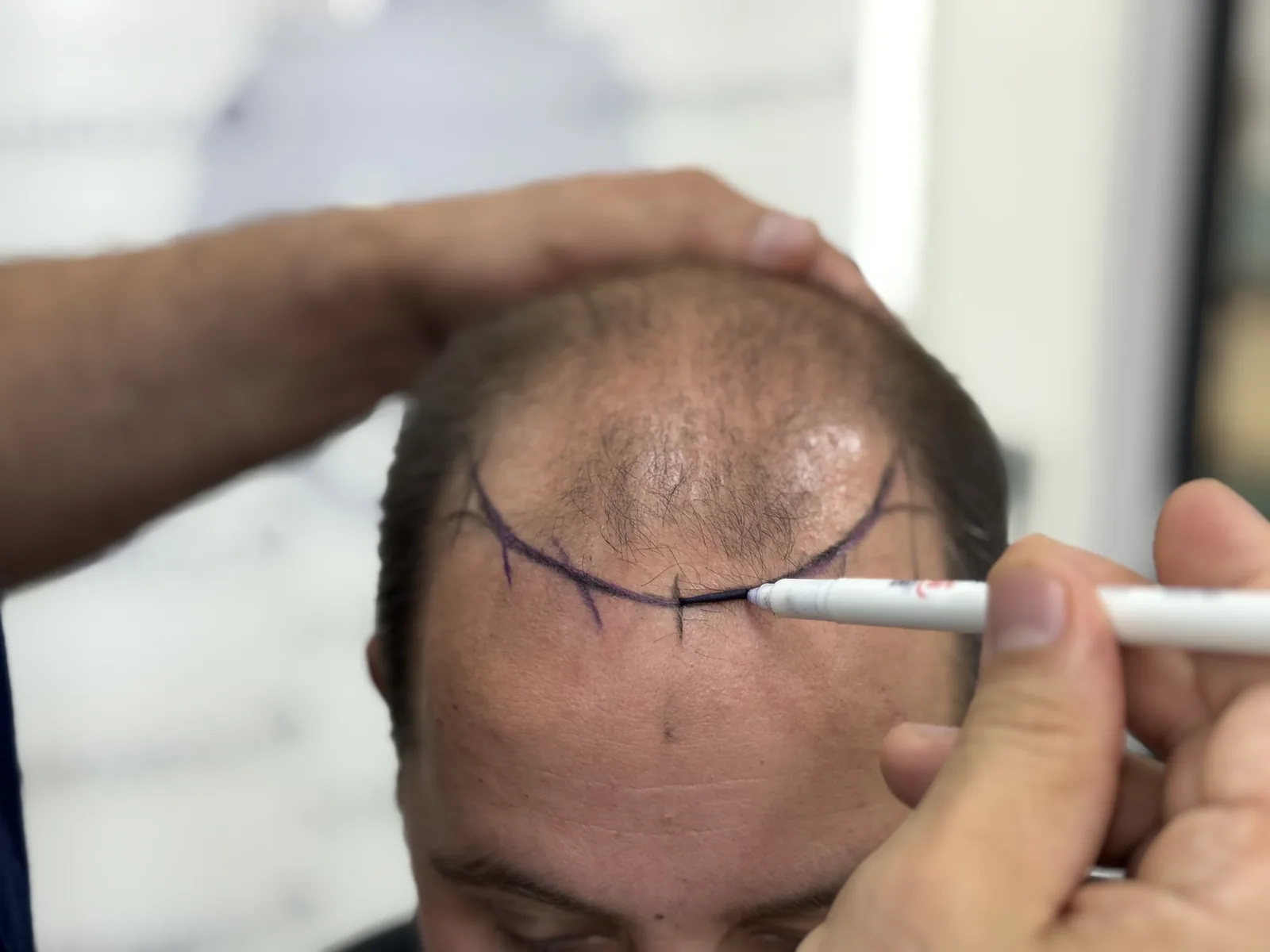
02 · Technique & Plan
FUE, DHI or Algorithmic FUE™ is confirmed by the surgeon directly, with a graft estimate and a fixed, all-inclusive price.

03 · Arrival Istanbul
A VIP transfer meets you at the airport and takes you to your 5-star hotel, followed by a pre-op consultation day at the Levent clinic.
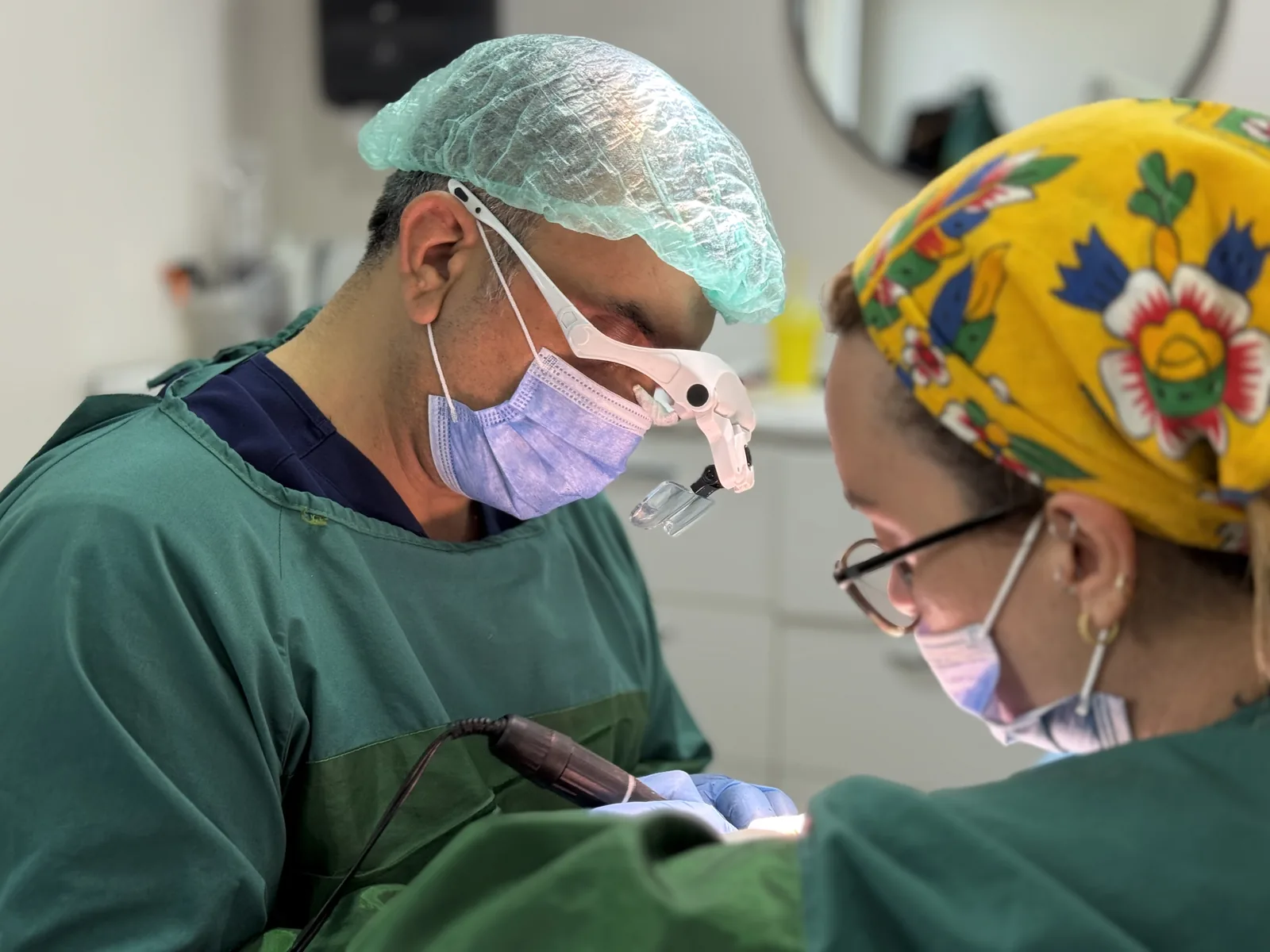
04 · Surgery Day
Dr. Arslan personally leads every package, performing the channel-opening incision himself in Gold and VIP. You are the only patient in the clinic that day.
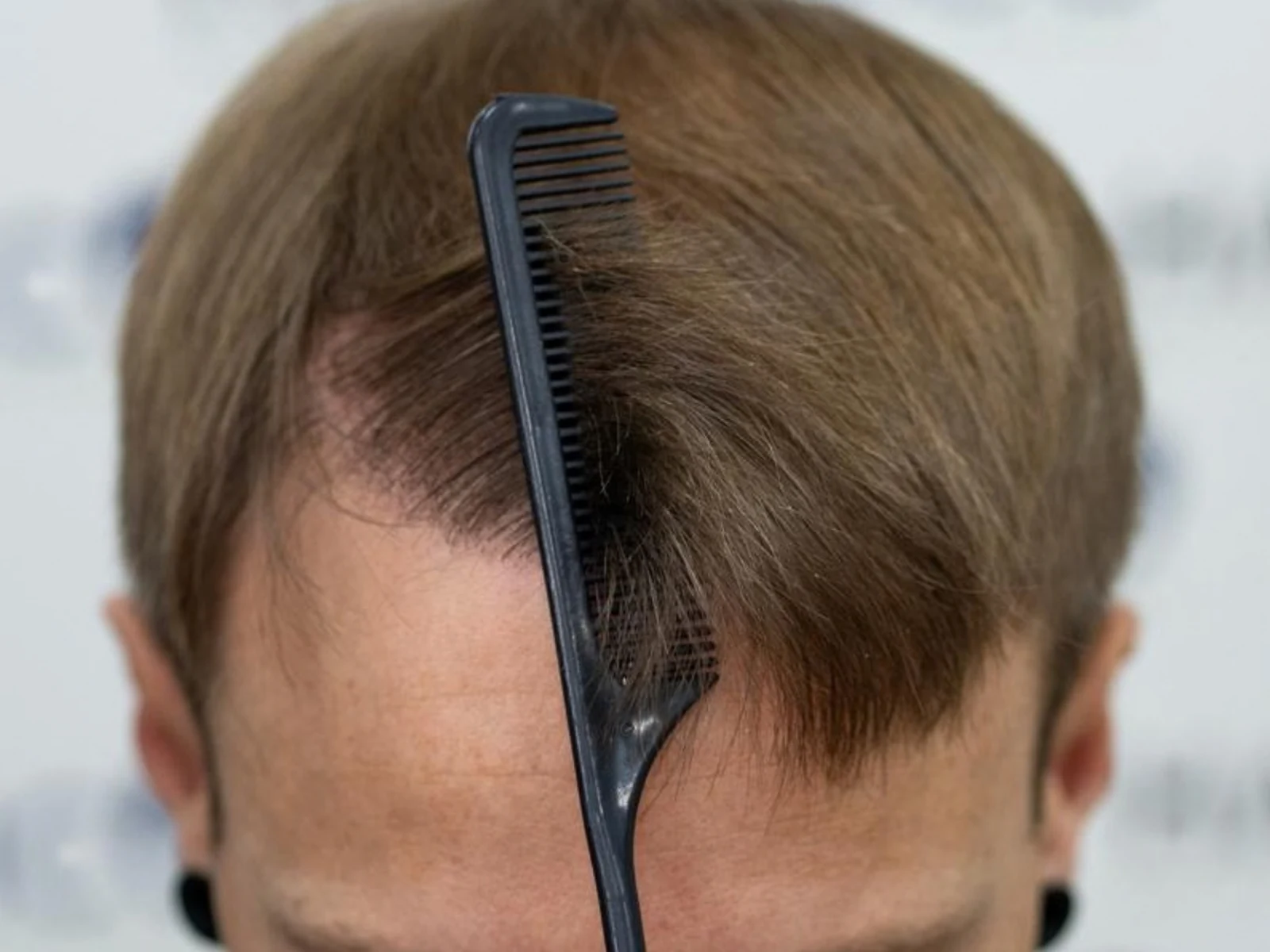
05 · Results at 12 Months
Full result visible at around 12 months. Our team supports you through 12 months of follow-up, including the first wash at the clinic.
Female hair loss presents differently from male pattern baldness — and requires a different surgical approach. Women rarely develop the defined bald zones seen in men. Instead, female pattern hair loss (FPHL) typically presents as diffuse thinning across the crown and midpart, with the frontal hairline usually preserved. Traction alopecia, hormonal loss and scarring alopecia are other common patterns in female patients.
At Hairmedico, Dr. Arslan Musbeh approaches female cases with specific assessment criteria: donor zone evaluation (which may also show diffuse thinning), the Ludwig scale of hair loss, hormonal history, and a frank assessment of whether surgical restoration is appropriate at the current stage.
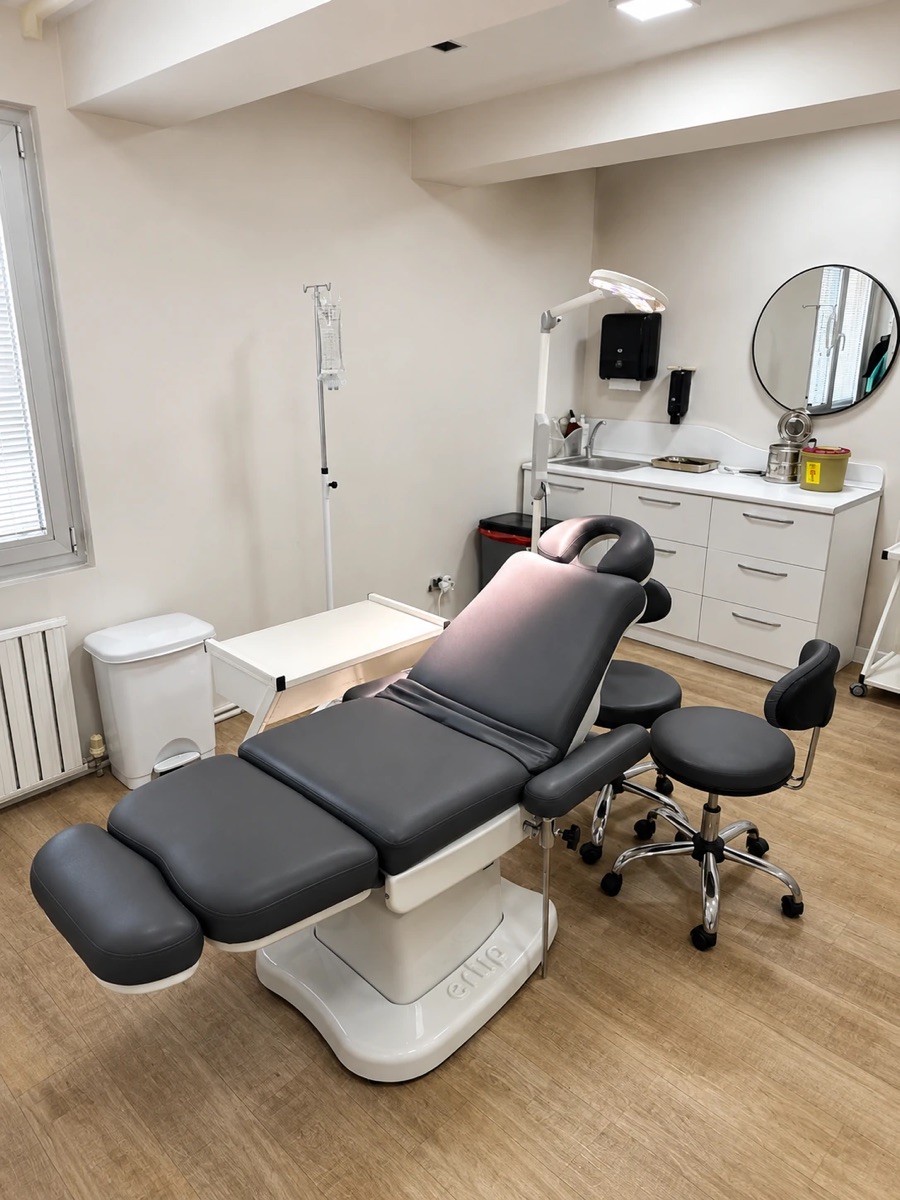
Female hair transplant candidates typically include women with: stable, defined hairline recession (frontal fibrosing pattern), traction alopecia from prolonged mechanical stress on the hairline, scar coverage from previous surgeries or injury, and established female pattern hair loss with a stable, adequate donor zone.
Women with active diffuse thinning across the entire scalp — including the donor zone — require more careful evaluation, as transplanting from a weakened donor zone risks graft failure. Dr. Arslan always assesses donor quality before recommending surgery.

For female patients, DHI (Choi pen implantation) is frequently preferred because it allows grafts to be placed between existing hairs without shaving the recipient zone — maintaining coverage throughout recovery. FUE remains appropriate for specific cases, particularly hairline restoration where a clearly defined donor and recipient zone allows planned shaving. Dr. Arslan selects the appropriate technique based on each patient's specific anatomy and presentation.

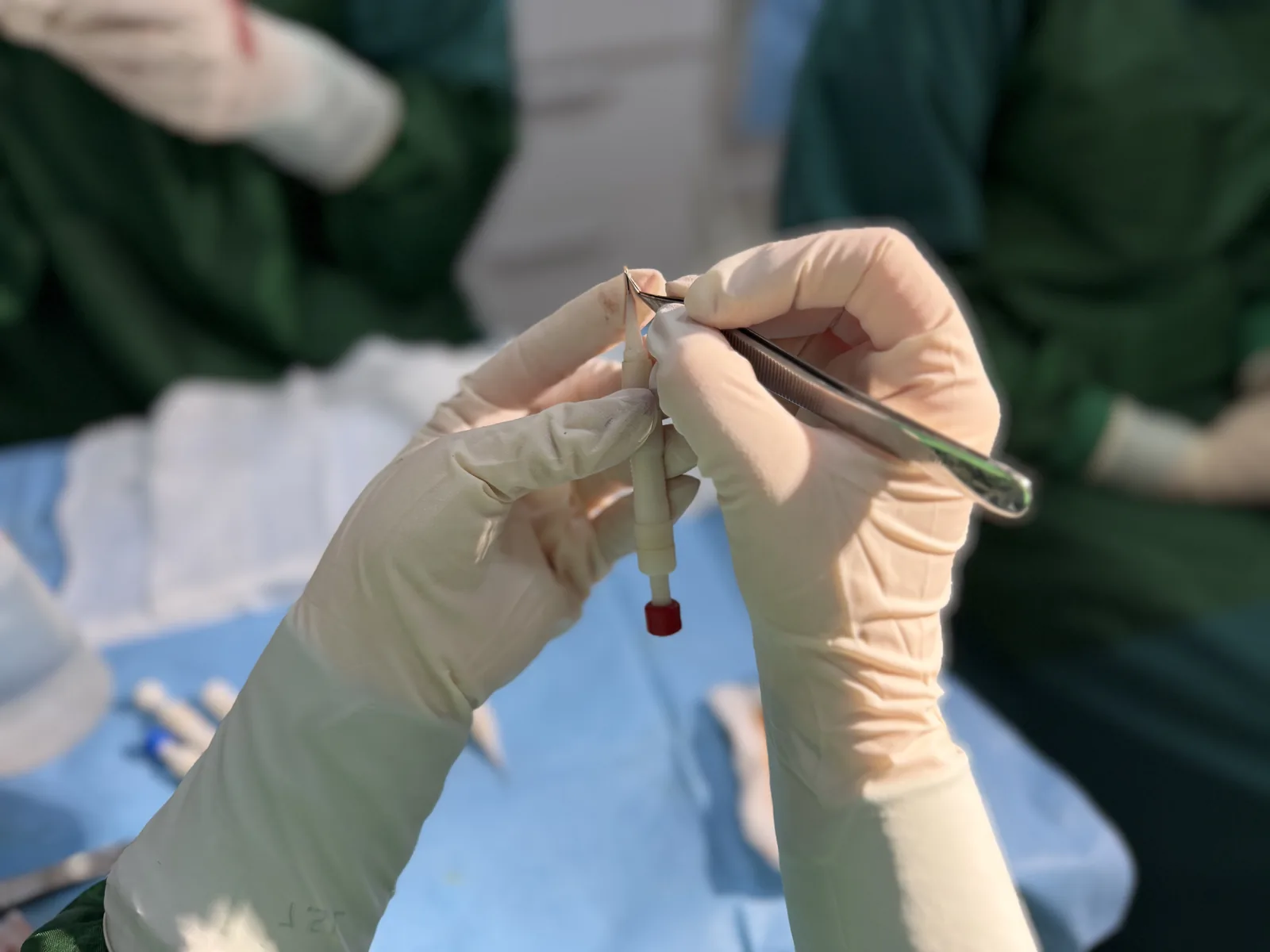
Diffuse thinning in women has several causes that are not androgenetic, and most of them are treatable without surgery. Operating on loss that has a medical cause treats the symptom while the cause carries on — which is why the workup comes before the surgical plan, not after it.
The concern almost every female patient raises first is whether her hair has to come off. With DHI implantation the recipient area is generally not shaved, and the donor area is handled the same way as in an unshaven procedure — trimmed only where extraction happens, covered by the hair above it.
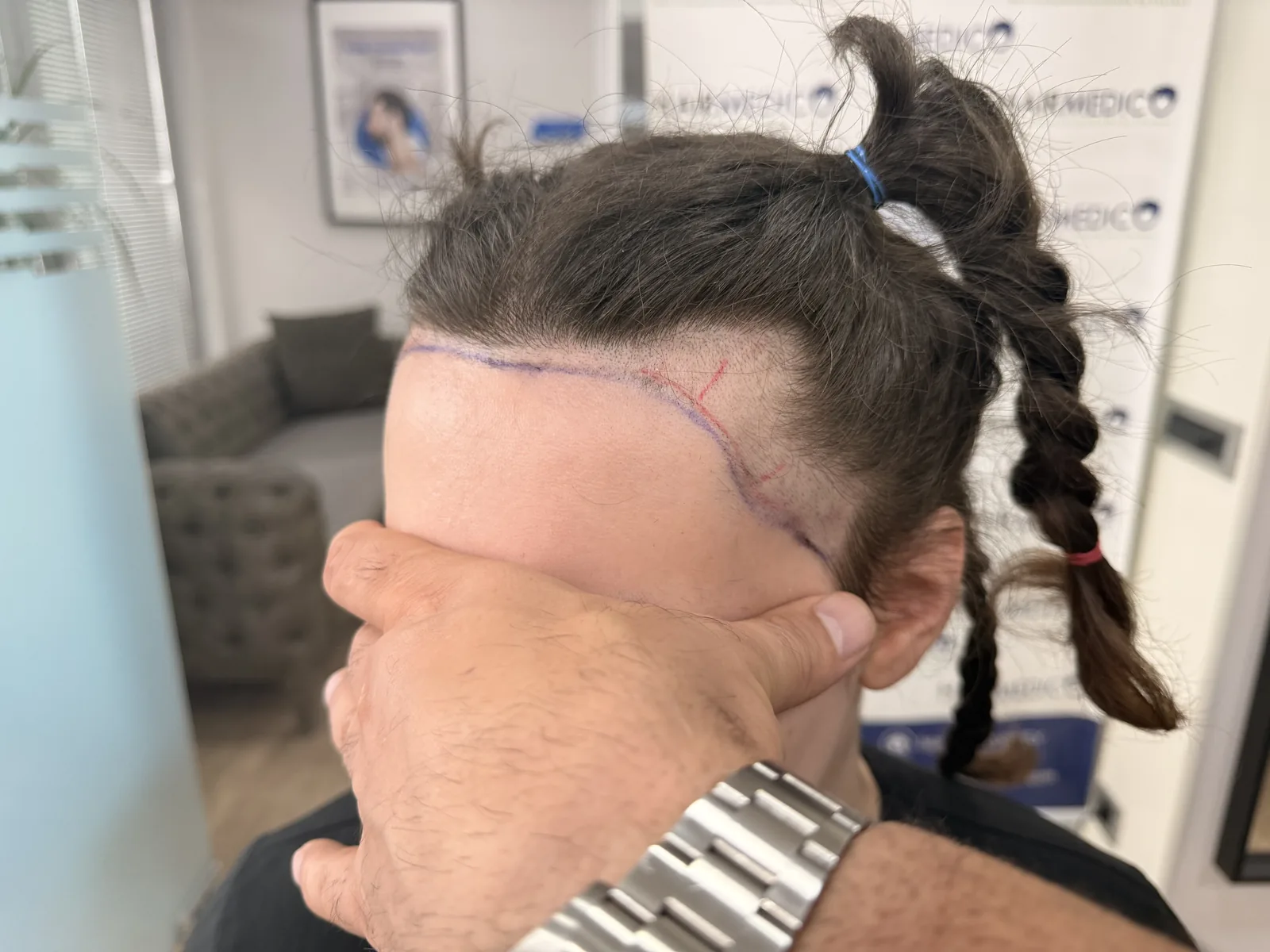
If you are unsure which stage you are at, the Norwood and Ludwig scales are the quickest way to place it — or send photographs for an assessment of what your donor area can actually support.
Answered by Dr. Arslan Musbeh.
Yes. Women are excellent candidates for hair transplant when they have stable hair loss patterns, adequate donor density, and corrected underlying causes like thyroid or nutritional deficiencies.
Not necessarily. Dr. Arslan Musbeh uses unshaven DHI technique for female patients when appropriate, allowing the procedure to remain discreet throughout recovery.
After researching countless clinics, I specifically didn't want a "hair mill." Dr. Arslan is hands-on throughout the entire process. I came from Australia and the experience was seamless.
Dr. Arslan was present throughout the surgery and personally performed the majority of key procedures. His professionalism and dedication made all the difference.
I already see good hair growth after only 17 weeks. The professionalism of the team and facilities was excellent.
Dr. Arslan was incredibly professional — he explained all procedures clearly. The clinic was spotless and the staff were super friendly.
From first contact, communication was prompt, transparent and efficient. My expectations were surpassed by the services and attention I received.
After 5 years of research I chose Hairmedico. Even on a basic package, Dr. Arslan performed the critical incision phase himself.